Blog
Short, evergreen guides on tarot — what cards mean, how to ask better questions, why we do tarot the way we do.
What is the Major Arcana?
The Major Arcana is the 22-card core of a tarot deck, from The Fool through The World. What these cards represent, why they are read as the more significant draw in a reading, and how the Rider-Waite-Smith tradition interprets them.
How to journal after a tarot reading
A tarot reading rarely lands all at once — most of the useful insight arrives in the hours and days after. What to write in a tarot journal, how journaling extends a reading, and why the most important entry is the question the cards raised that you did not want to answer.
What does it mean when you draw the same tarot card twice?
Drawing the same tarot card twice is usually probability, not prophecy — a three-card reading shows three of seventy-eight cards, so repeats are common. What a recurring card actually signals, how to work with the theme it keeps naming, and when a repeat is just coincidence.
How to read tarot for yourself
You can read tarot for yourself, but you are too close to the question to be neutral — which is exactly where the objection that you will only see what you want to see comes from. The answer is not willpower but structure: a written question, fixed positions, and reading the cards you actually drew.
The difference between tarot interpretation and fortune-telling
Tarot interpretation and fortune-telling use the same deck for opposite purposes. Fortune-telling claims the cards reveal a fixed future; an interpretive tarot reading uses them to name patterns in your present situation. Where each practice comes from, what actually separates them, and why the difference decides how useful a reading can be.
What tarot cannot tell you
Tarot cannot tell you whether an illness will heal, how a legal case or an investment will end, what another person is thinking, or when anything will happen. The cards hold archetypes, not facts. What each of these limits means in practice, what to ask instead, and why honesty about them makes a reading more useful — not less.
Why tarot readings say "it depends"
If a tarot reading hands you a clean, direct answer, be suspicious. Honest readings surface complexity instead of flattening it — which is why they can sound vague when they are being precise. Why "it depends" is the reading working correctly, and how to use a conditional answer once you have one.
What is the Rider-Waite-Smith tarot deck?
The Rider-Waite-Smith deck is the foundation of modern tarot. Published in London in 1909 — conceived by Arthur Edward Waite, illustrated by Pamela Colman Smith — it was the first widely circulated deck to give all seventy-eight cards a full symbolic scene, and it remains the basis for nearly every tarot deck, book, and app since.
What happens in a tarot reading?
What happens in a tarot reading, step by step: you bring a question, three cards are drawn and turned over into fixed positions — situation, action, outcome — and each is interpreted and woven into one short piece of prose. A walkthrough of a Vidastral reading, from the question to what you do with it afterward.
How Vidastral reads tarot: interpretive, not predictive
Vidastral reads tarot interpretively, not predictively. Every reading is a three-card Situation / Action / Outcome spread interpreted in the Rider-Waite-Smith tradition — a structured mirror for reflection, never a forecast. What an interpretive tarot reading is, how the spread works, and why the cards never tell you what will happen.
Free AI tarot reading with no sign-up: how it works
Yes — you can get a free AI tarot reading with no sign-up. Vidastral offers a complete three-card spread — Situation, Action, Outcome — interpreted in the Rider-Waite-Smith tradition, in English or natively written Spanish, with no account, no email, and no payment. How it works, what the free reading includes, and how to get the most from it.
Tarot for beginners: what to expect from your first reading
If you have never had a tarot reading, the experience is different from what most people picture. What a reading is actually doing, how to choose a question to bring, and what the three cards mean — so you arrive at your first reading knowing it is interpretive, not a prediction of your future.
How yes/no tarot readings actually work
A yes/no tarot reading does not deliver a verdict — it delivers a frame. How a single card reads as a directional signal, what upright and reversed mean in this context, and what yes/no tarot can and cannot tell you before you decide.
The Sun tarot card meaning: warmth, clarity, and what it is not
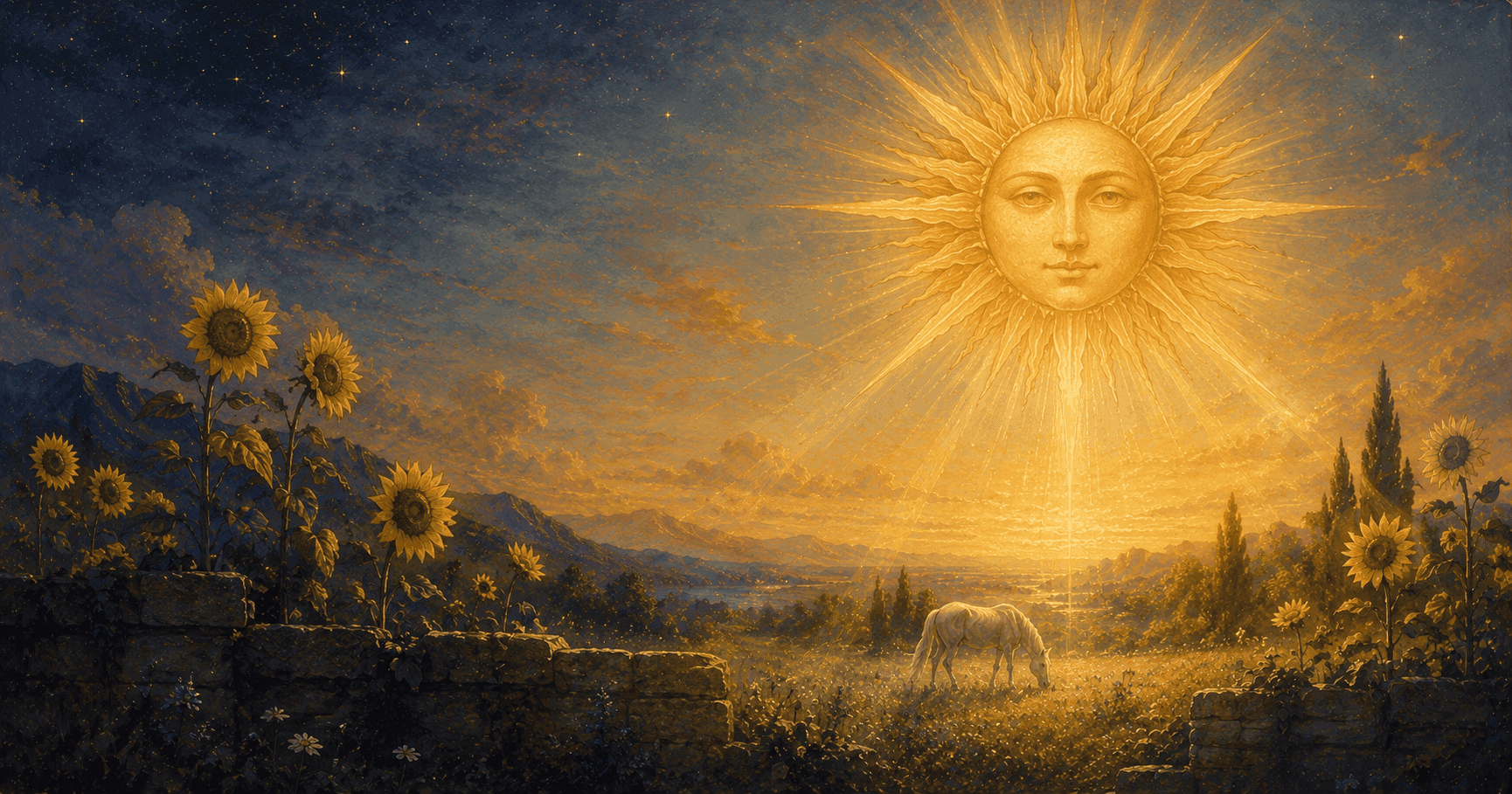
The Sun is the brightest card in the deck, and the easiest to over-read. What the Rider-Waite-Smith Sun actually signifies — clarity, vitality, things coming into the open — and why 'the best card' is not the same as a guarantee of good news.
The Empress tarot card meaning: abundance, care, and creation
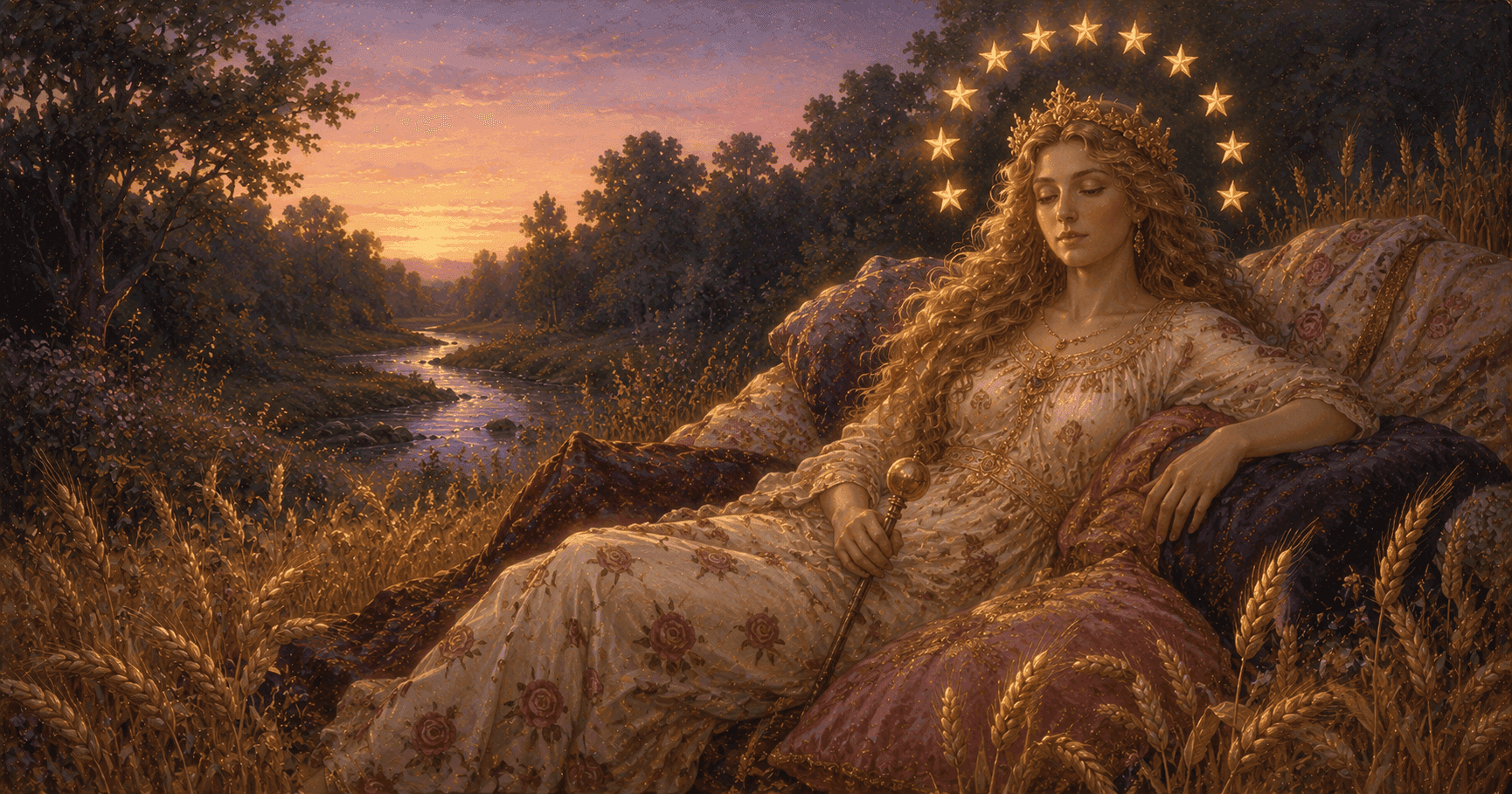
The Empress is the deck's card of fertility and nurture — and easy to flatten into 'motherhood.' What the Rider-Waite-Smith Empress actually signifies — abundance, care, and things brought to life — and how she reads in love and creative work.
What does The Lovers mean in a tarot reading?
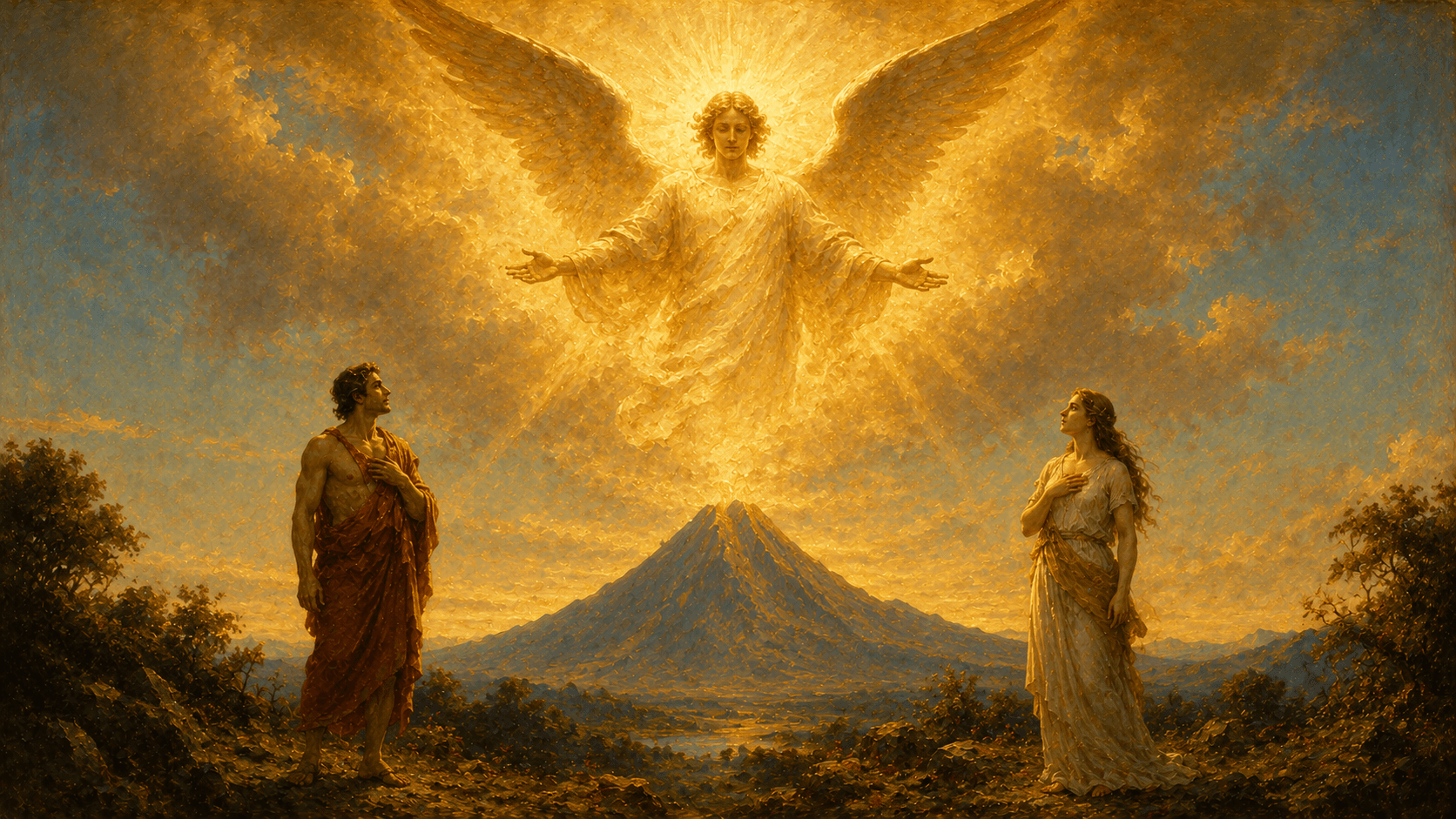
The Lovers card is not simply about romantic love — it is about alignment, choice, and what you value enough to commit to. What The Lovers means upright and reversed, in love readings and beyond, in the Rider-Waite-Smith tradition.
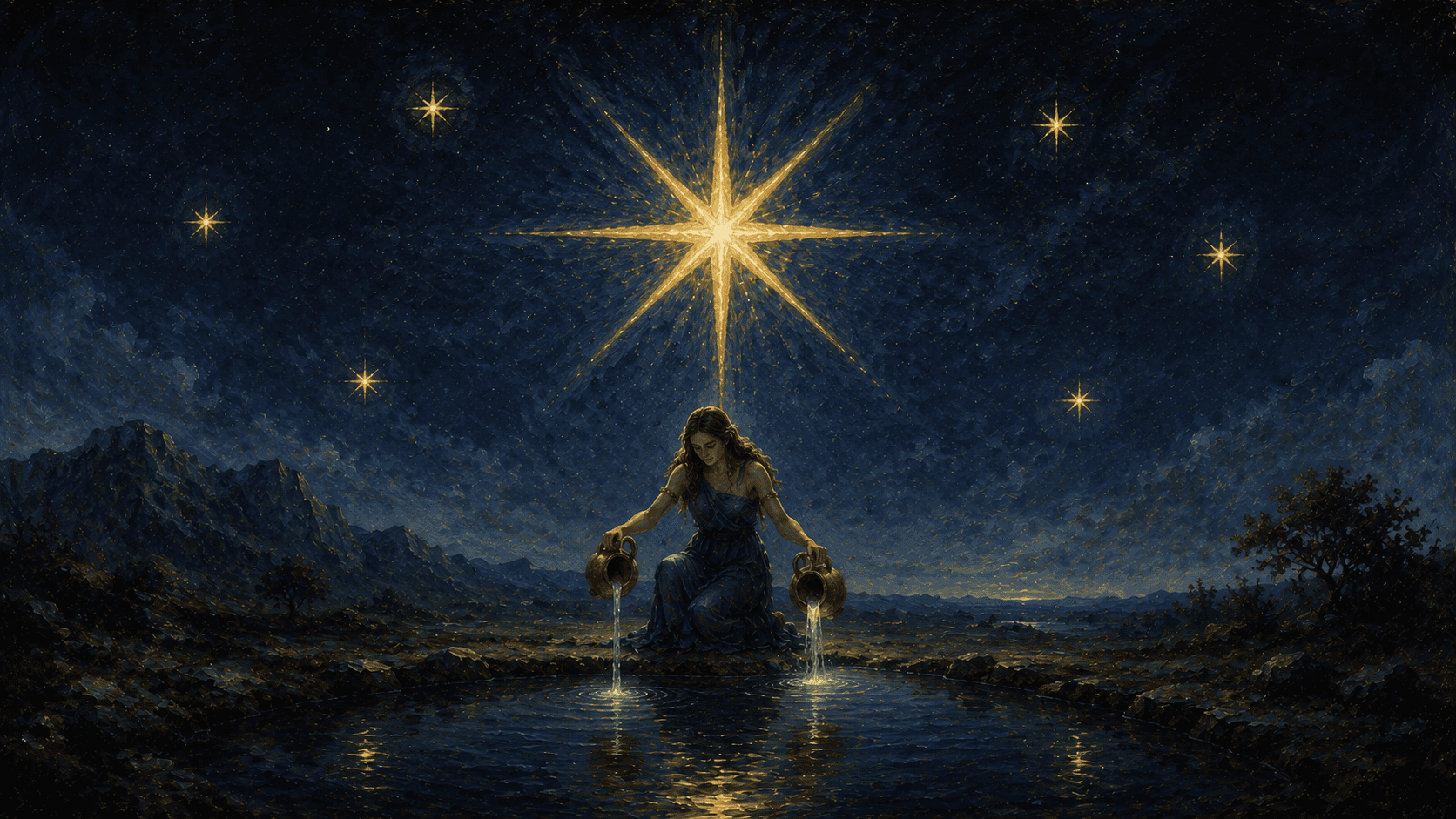
What does The Star mean in a tarot reading?
The Star is the card of hope and renewal — the still, open moment after a storm has passed. What The Star means in the Rider-Waite-Smith tradition, upright and reversed, and how it reads differently depending on its position in a spread.
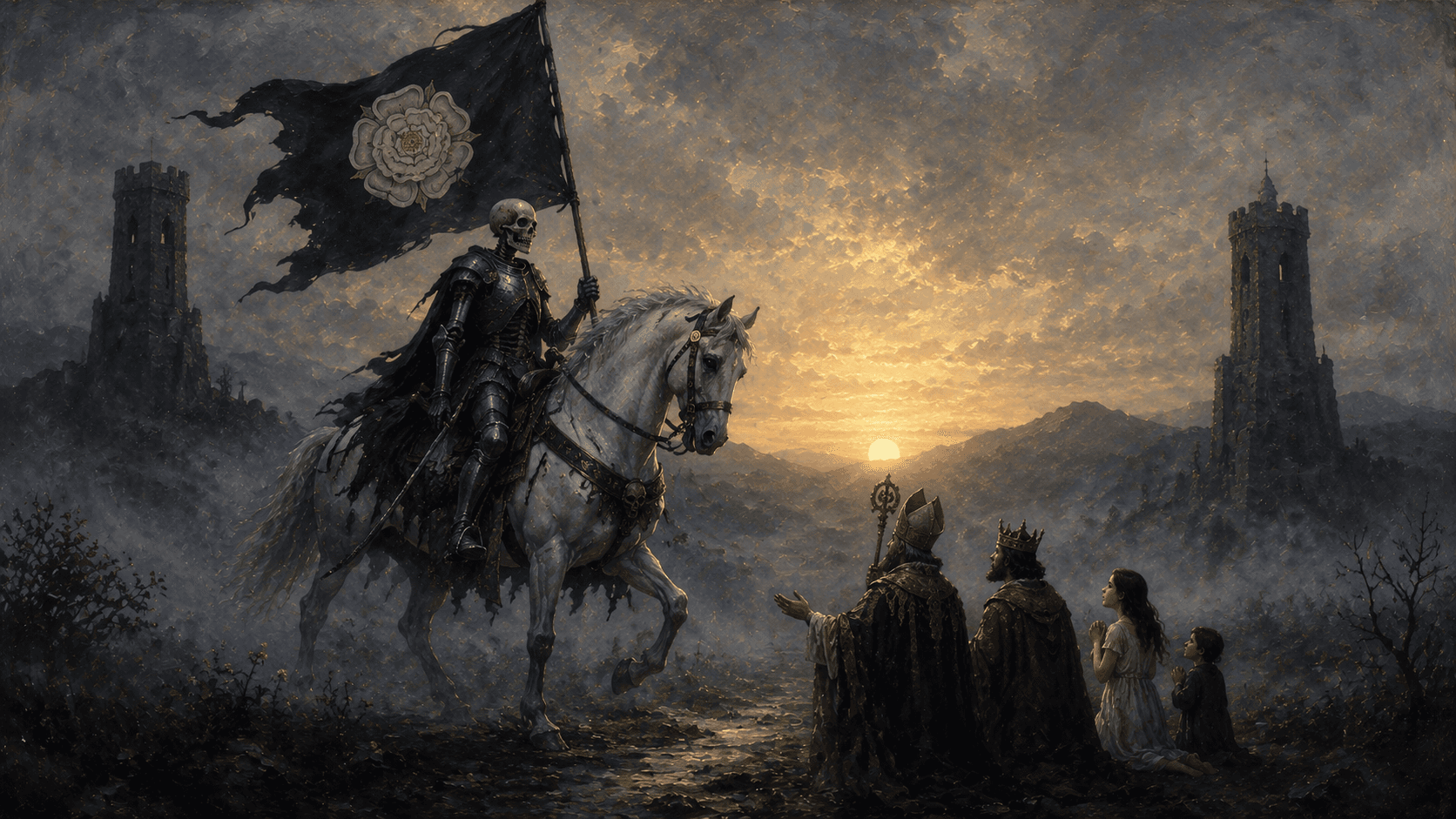
What does the Death card mean in tarot?
The Death card is the most misunderstood card in the tarot deck. It rarely — if ever — refers to literal death. What the Rider-Waite-Smith Death card actually means upright and reversed, and why it is one of the most important cards in a reading.
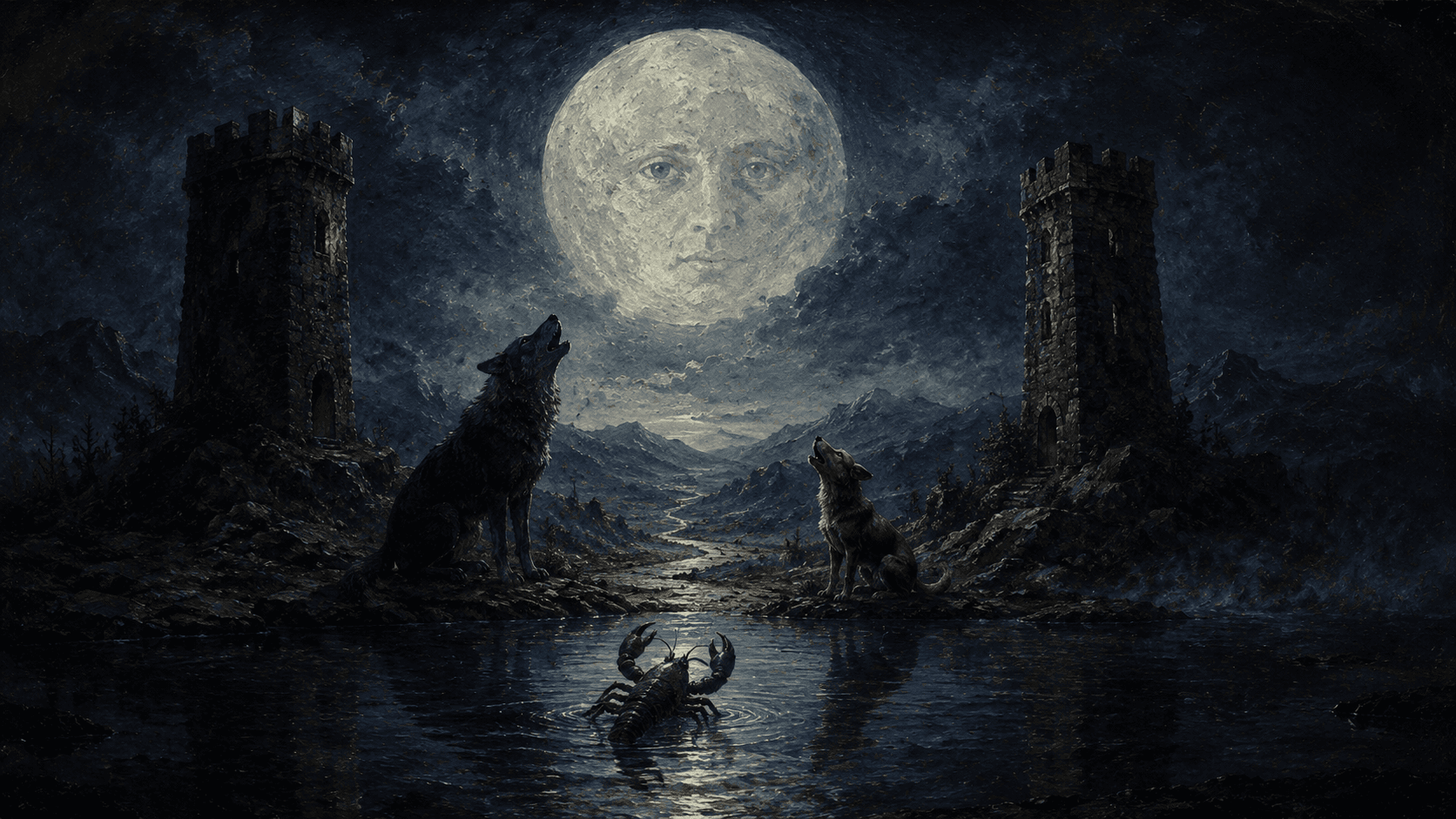
What does The Moon mean in a love reading?
The Moon in a love reading points toward illusion, hidden undercurrents, and what is not yet surfaced between two people. What the card means upright and reversed when the question involves a relationship, attraction, or uncertainty about how someone feels.
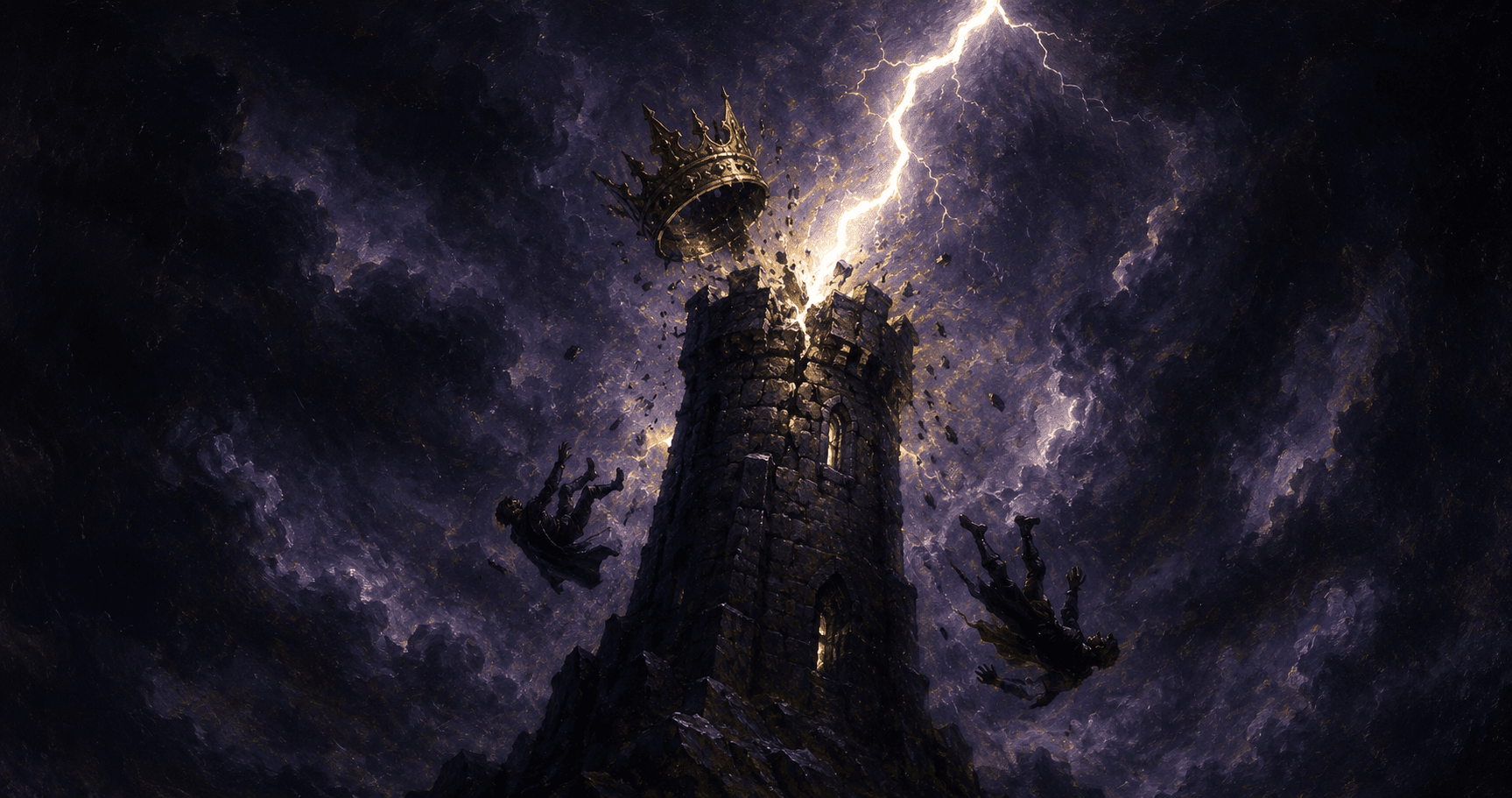
What does The Tower mean in a love reading?
The Tower in a love reading signals sudden disruption — a truth that arrives without warning, a relationship structure that can no longer hold. What the card means upright, reversed, and in each spread position when the question involves a relationship.
Is tarot predictive? What a reading can and cannot tell you
Tarot has a reputation for predicting the future. In practice, honest tarot is interpretive, not predictive — it offers archetypes to reflect against, not facts about what will happen. Where the predictive reputation comes from, and what an AI tarot reading can and cannot honestly do.
The Tower in tarot: what the card of sudden change means
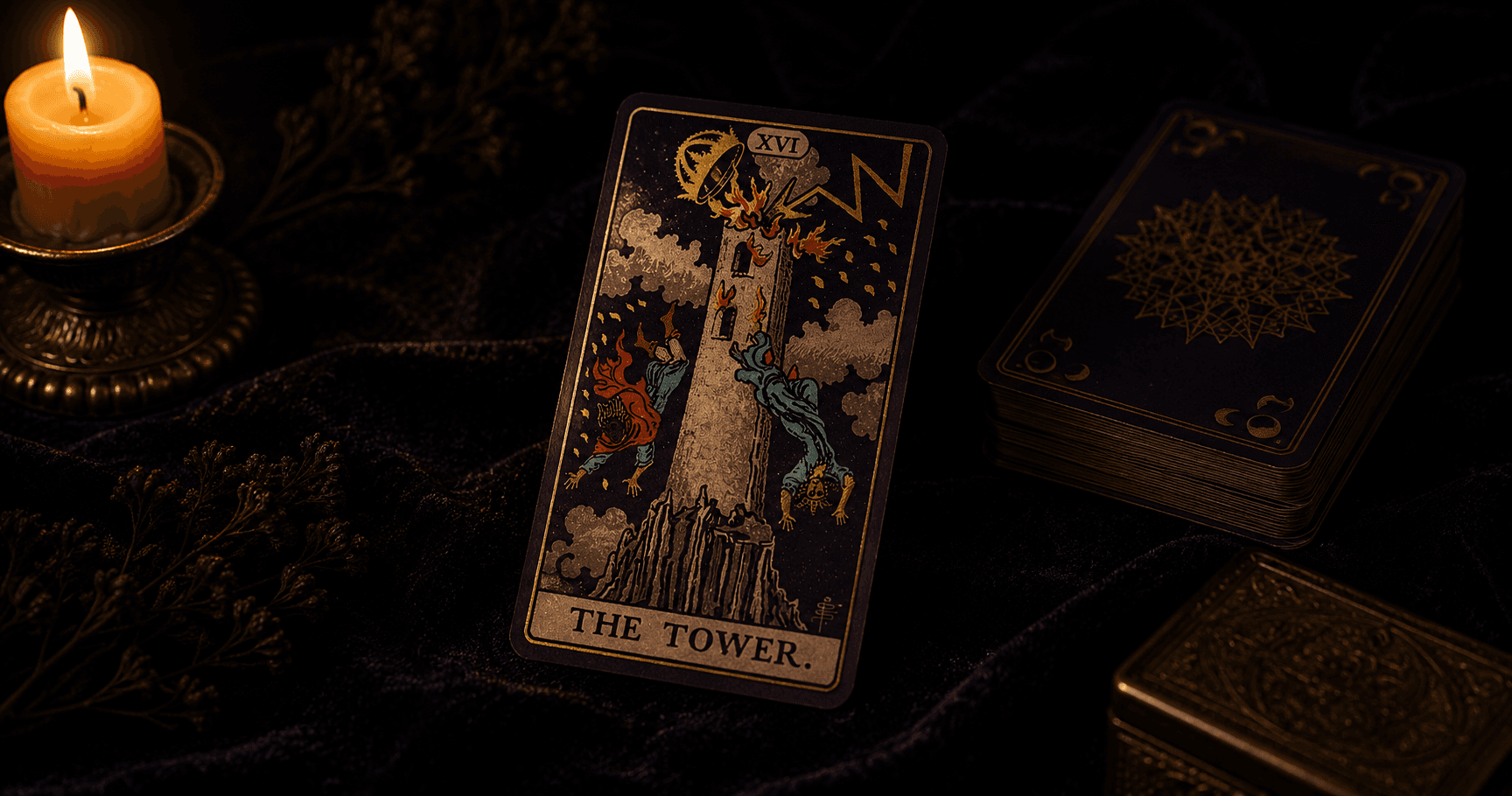
The Tower is the card people most dread to draw. In the Rider-Waite-Smith tradition it depicts a lightning-struck tower and falling figures — sudden upheaval, a structure breaking down. What The Tower means upright and reversed, and why a difficult card is not a bad omen.
How to ask the tarot a good question
The question you bring shapes the reading more than the cards do. Why yes/no and 'will it happen' questions produce thin readings, how to reframe them into open questions, and a simple template for asking the tarot something it can actually answer.
Reversed tarot cards: what an inverted card adds to a reading
When a tarot card lands upside down, it is read as 'reversed.' In the Rider-Waite-Smith tradition a reversal is not the opposite of the upright card — it is a blocked, internal, delayed, or shadow expression of the same meaning. How to read reversals without flipping them into negatives.
Major vs Minor Arcana: how the 78 tarot cards divide
The 78 cards of a Rider-Waite-Smith deck split into 22 Major Arcana and 56 Minor Arcana. What each group means, why the distinction matters when you read, and how a spread weighted toward one or the other changes its tone.
How to read a three-card tarot spread: situation, action, outcome
A practical guide to the situation / action / outcome three-card tarot spread, in the Rider-Waite-Smith tradition. What each position frames, how to read them in sequence, and what tarot can — and cannot — tell you.