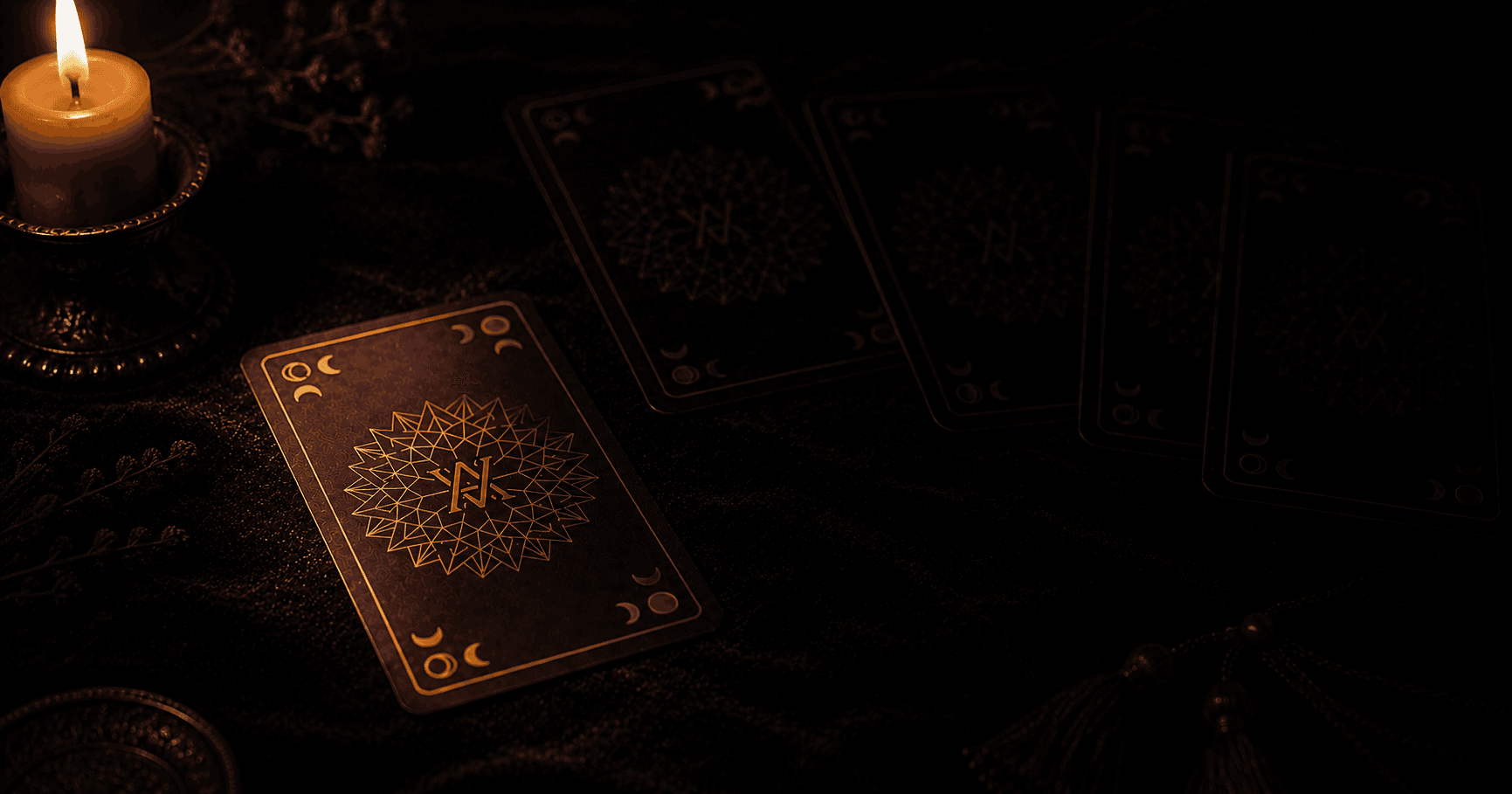
Ask most people what tarot is for and they will say predicting the future. The fortune-teller naming a future spouse, the date of an offer, the outcome of a court case — that is the cultural image. It is also the part honest tarot is most careful to disown. The practice, taken seriously, is interpretive rather than predictive: it offers archetypes to think with, not facts about what is going to happen.
Where the predictive reputation comes from
Tarot began as a card game in 15th-century Europe and was only later adapted for divination. The predictive reputation grew because prediction sells — a reader who claims to know the future is more compelling, in the moment, than one who offers a frame for reflection. But that confidence is purchased by filling in blanks the cards do not contain. Anyone who tells you the cards revealed a specific name or date is supplying that detail themselves, not reading it off the deck.
What a reading can actually do
What tarot can do is genuine and worth having. A spread offers a small set of archetypes — three of them, in a situation / action / outcome reading — arranged in positions that invite you to map them against your own life. The value is in recognition: which of these themes resonates, which you have been avoiding, which reframes the others. A good reading helps you think about your situation more carefully. It does not relieve you of the thinking.
Tarot is a reflective practice more than a predictive one, and the value of a reading lies in what you recognize of yourself in it.
What an AI tarot reading will not do
An AI-generated reading inherits the same limits, and Vidastral is built to respect them. It will not tell you the name of a future partner, the exact date of an event, whether a specific person is thinking about you, or any medical, legal, or financial fact dressed up as fate. Those are blanks, and filling them with confident invention would be the dishonest move — the AI equivalent of the fortune-teller's overreach. What it will do is generate an honest reflection from the cards drawn, in plain prose, and leave the conclusions to you.
Read this way, the question 'is tarot predictive?' has a clean answer: no, and that is the point. A reading that admitted it could not see the future was once considered a weak reading. It is actually the only honest one — and the freedom from prediction is what lets the cards do the thing they are genuinely good at, which is helping you look at your own situation from an angle you had not tried.